
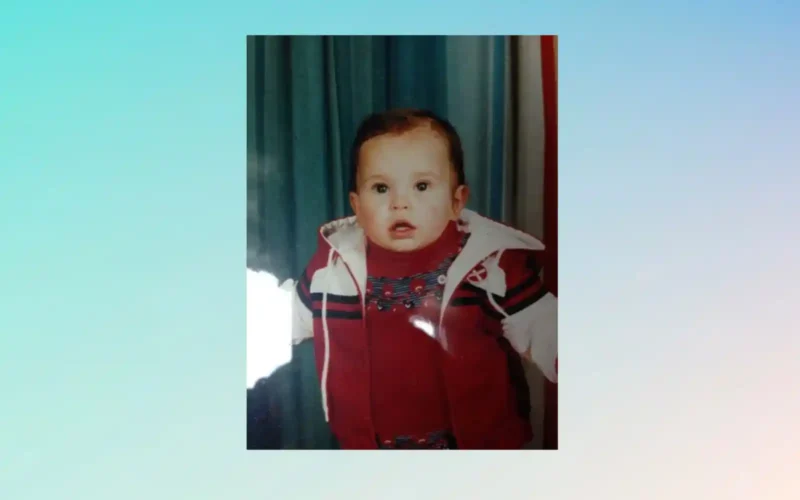
We carry a whole universe of parts within us. Parts younger than we are now and parts exactly our age. The younger parts hold overwhelm too great to be woven into the fabric of our lives. These parts end up — in the service of our survival — isolated, barricaded away with no contact with the here and now. They do not vanish from our psychological map, though; we simply don’t see them day to day. They surprise us every time they surface in our awareness: “I don’t know why I feel what I feel,” “that’s not like me,” “I reacted so fast and so violently,” “something came over me,” “this emotion just won’t pass.”
The younger parts of ourselves don’t fit the self-image we have come to accept. They are cracks through which a past we don’t want to, or cannot, remember seeps in. They long to be integrated into who we are, but they pursue that aim clumsily, impatiently, without listening to the parts of us we find more acceptable.
Our younger parts carry the story of our wounds and of the ways that allowed us to survive hell. They manage our energy, our attention, our relationships. They make us repeat, over and over, what has not yet been healed, hoping for — this time — a new ending.
The younger parts of ourselves emerge speaking the language of symptoms, sensations, emotions, intuitions, images, and dreams (but rarely the language of reasoning and description). We take them to doctors of the body and doctors of the soul, and we spend any amount of money to get rid of them — now, for good, mercilessly (but these efforts are futile: healing can come only when we stop medicalizing and demonizing what is sensitive, delicate, and helpless in us). They don’t go away, no matter how hard we drown them out with work, alcohol, food, shopping, risk, or the wisest thoughts in the world.
Instead, the younger parts of us wait (more or less patiently) for us to notice them: without terror, with curiosity, with love. They are counting on us to finally find in them our blocked strength, agency, and vitality (when that strength is snuffed out and has no direction, it makes us keep making the same mistakes).
The younger parts of ourselves stand guard over our being whole. They won’t settle for a pared-down identity that — perhaps, once — saved our life. They want truth for us, and the energy that truth releases. They want a moment of chaos so that we can reorganize ourselves anew. They want a change that will restore what was once so effectively blocked.
The younger parts of ourselves are the alphabet of our future maturity. When we are on good terms with them, we regain lost resources and pathways back to balance in our lives.
There is no way around the road toward old wounds. So let’s take the younger parts of us to a place where we can get to know one another safely and slowly. Let’s honor what they tell us in dreams. Let’s see how and where our body stores them. Let’s allow them to draw, write, dance, and create spontaneously. Let’s give them a platform to express themselves.
On this important road to integration, I wish us all plenty of solid ground, fluidity, and good encounters <3.