After trauma, the nervous system gets stuck. When a traumatic memory is stirred up in us, we fall either into hyperarousal (and chaos) or into immobility (and a lack of flexibility). That is when we need to set our nervous system in motion. And this is where a therapeutic technique called pendulation comes in handy (from the Latin “pendulum”).
To keep from being swallowed up by the vortex of dysregulation, we need to focus our attention on something opposite to what the trauma stirs up in us. When we focus too much on what burdens us, it can help to redirect our attention to a resource (a good memory, a movement that relaxes us, a thought that supports us). Working with trauma means working with the opposite poles of experience, activating the “good” memories and sensations that trauma cuts us off from almost entirely.
– When our body suddenly starts to tremble, we can focus our attention on the weight of our feet and on how the force of gravity steadies us.
– When we have a car accident before our eyes, we can redirect our attention to the moment when it became clear to us that we had survived that accident, and allow ourselves to experience the relief/pride/calm that comes with having survived.
– When we experience sharp pain, we can touch that spot with our hand and focus for a moment on the feeling of warmth and pleasure that our own touch gives us.
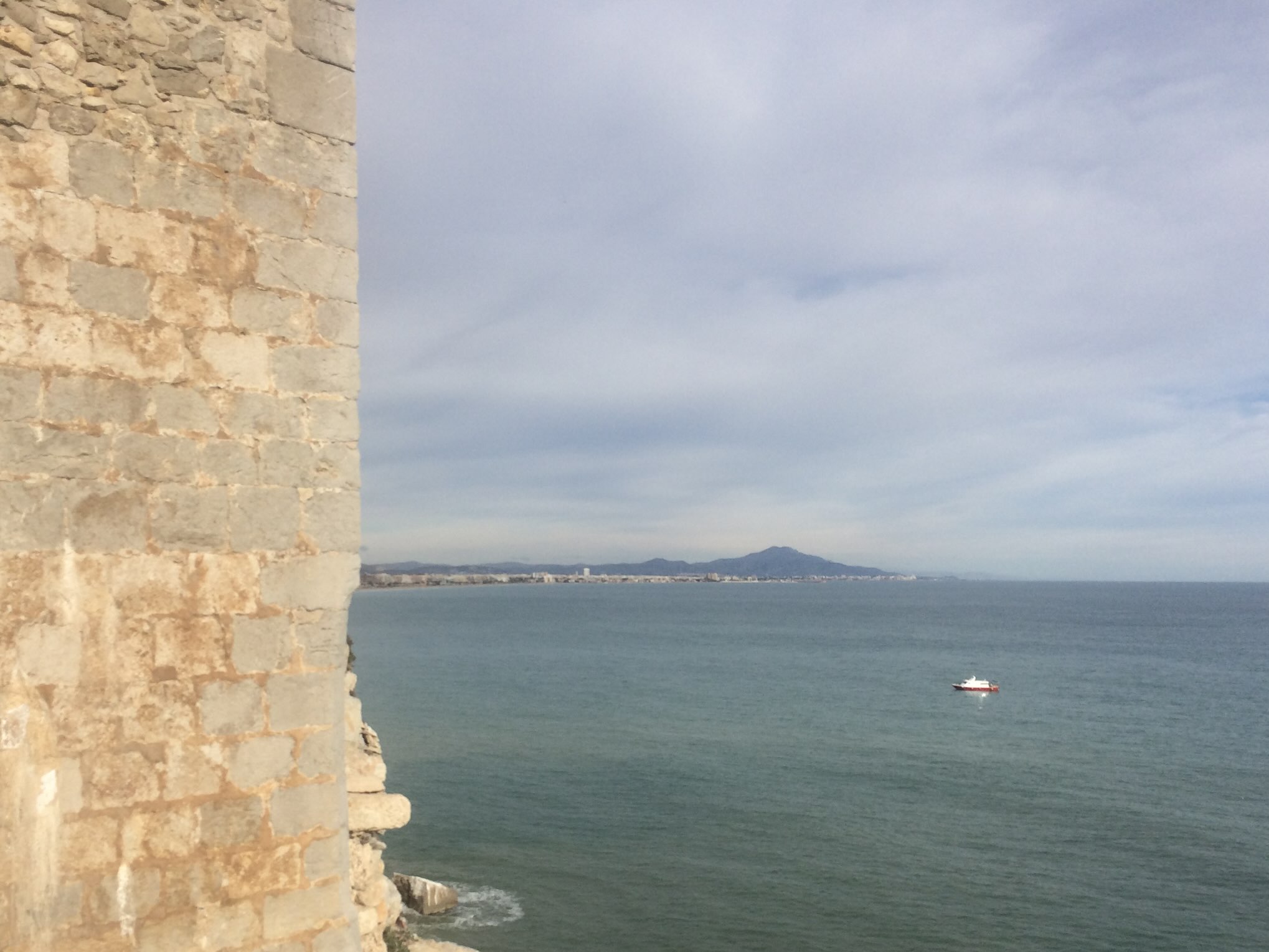
– When we feel that our body can no longer contain the tension that has been stirred up, let’s shift our attention outward for a moment: look at the view outside the window, turn our attention to new smells, touch the bark of a tree, eat something tasty.
Pendulation underlies the gradual regulation of the nervous system. Through pendulation we recreate the conditions in which the nervous system can return to a state of balance on its own. In therapeutic practice, the pendulum of attention swings constantly from burden to resource, from resource to burden, and so on for almost the entire session. This is how we learn to hold more and more of the arousal connected with trauma.
What questions do you have about the process of pendulation?
PS I also invite you to listen to my podcast about trauma — “Ładnie o traumie” on Spotify. And to read my book about trauma.