It may well be that if I hadn’t experienced so many episodes of existential stuckness in my life, I would now be hurtling toward ruin in a direction I never wanted. Being stuck is, for me, a kind of gift from my subconscious, which speaks to me in the very large letters of boredom, a sense of meaninglessness, doubt, and overwhelm, because it can’t get through to me any other way. Stuckness is a road sign on the map of my life, telling me that what lies ahead is a dead end, a false opportunity, a life that would look pretty in a magazine but doesn’t fit prettily into my soul.
I have learned to look at being stuck with honesty and compassion, at least when I have the existential resources for it. I write a lot about my stuck places (in my journal), because I know that only with time can I see more fully the pattern of behaviors (the inner ones, too) that led to the stuckness.
But if I overlook being stuck (and sometimes I do), it makes itself known through an illness of the body (usually nothing serious, usually an ordinary cold, harmless but dragging on longer than you’d expect), a blazing row, losing things and forgetting appointments — but probably the most common symptom of stuckness for me is black despair and a sense of absolute spiritual barrenness.
A few weeks ago I got stuck yet again. I got stuck because I believed there was only one model of life and work for me in a given situation, and I failed to notice my own agency and uniqueness. Life comes in many forms, and in this life I get to choose. I got stuck because I wasn’t choosing.
So for the past few weeks I have been thinking a great deal (again!) about being stuck.
Out of that came a list of questions I have been asking myself lately and will probably ask myself many more times.
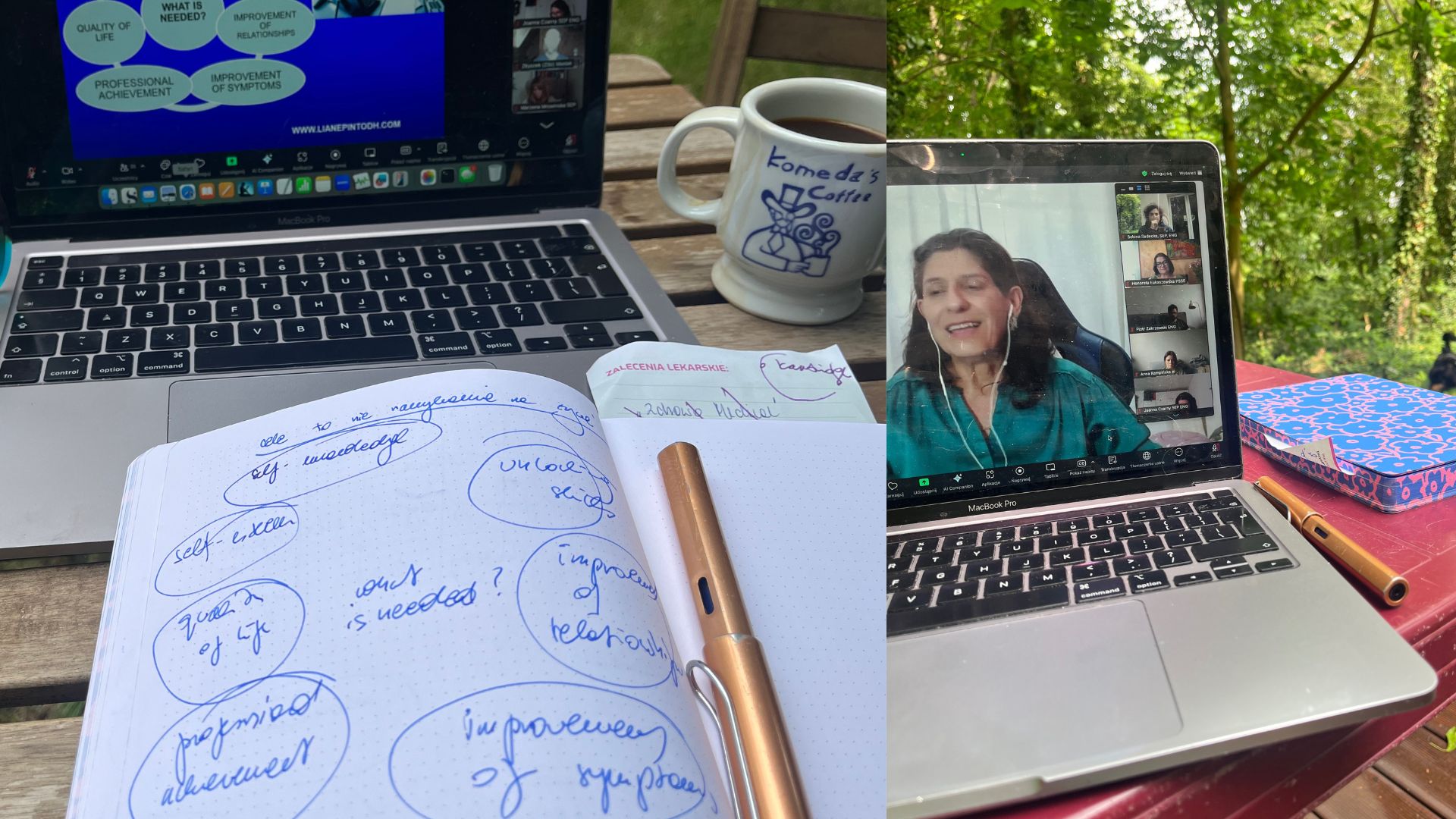
Perhaps these questions will be helpful to you, too. I encourage you to look at them not only with your head, but also with your emotions, bodily sensations, memories, impulses. Many kinds of stuckness can’t be left behind through rationality alone. At least I rarely manage it. To begin with, choose just one question (the one that makes your heart beat harder), take a sheet of paper, and write or draw your answer to it.
Good luck <3.
- What is the story of your being stuck? How would you describe it on the timeline of your life? What are the milestones of this stuckness? If everything were to go well, how do you imagine the milestones on the timeline of getting unstuck?
- How is your stuckness made? What is the recipe for it — step by step? What has been constructed can be reconstructed. How does getting unstuck get made, when you are you?
- If you were a verb, which one would you be? How do your activities, habits, and ways of regaining energy (and of spending it) support you in a full, flexible, calm life — or in something quite the opposite? Don’t look for either-or answers; find the activities that steer you in a direction that is hard for you, and also those that lead you in the direction you have chosen.
- What adjectives do you use to describe yourself? What do these adjectives tell you about your history of coping with adversity, about the history of coping with adversity in your family/culture, about the historical moment you live in?
- Where are you directing most of your attention right now? What are you not seeing? What are you turning your attention away from? How does what you notice and what you don’t notice support you in getting unstuck (or the reverse)?
- What is the smallest step with which you could begin getting unstuck? Think of a step smaller than the one your mind suggests — the smallest step possible.
- How do you want to move through the hard moments in your life? How would you like to tell yourself the story of this moment a few years from now? What would you like this moment to teach you (if it has to be happening at all)?
- What title would you give this chapter of your life? What chapters would you still like to have ahead of you?
- What could others learn from you by watching how you deal with this hard moment?
- Think of the first moment in your life when you experienced similar difficulties. Hold that moment in your memory for a while. See what emotions, thoughts, and bodily sensations it evokes, what images it calls up. What wants to be done now? Allow yourself to do it.
- What might a broader story about this period of your life be? What could be included in it and/or noticed and appreciated in it? What is missing from your current story about yourself? How are you simplifying that story for yourself?
- How do you think about yourself in the moments when things are going well for you? Is it possible for you to bring that way of seeing into moving through your stuckness now?
- What throws you off balance the most? What destabilizes you, overwhelms you, blocks you, hijacks your attention?
- How do you assign value to your experiences, choices, thoughts, dreams? Can you give them different values, a different rank, a different hierarchy?
- What value do you place on your failures and your successes? What story about your difficulties and about what you have managed to do are you telling yourself right now?
- How can you use your intense emotions as fuel for the change you need?
- Who are you comparing yourself to right now? Does that comparison help you get unstuck, or quite the opposite?
- What first needs to be cried out, told, laughed at, hugged, or run off, so that you can calmly get moving?
- Is there someone around you who is also stuck? Do you feel a kind of “stuckness” loyalty toward them? What will happen to your relationship when you get moving and that person stays where they are?
- What is okay even though you are stuck? What would you like to take with you from this time into the rest of your life?
- Does staying stuck seem safer than getting out of it? Acknowledge your sense of threat around a possible change (if you are experiencing one). What do you need right now in order to feel safer in that change?
- What can you decide, choose, or organize differently?
Have a beautiful time with these questions!
I’m rooting for you as you find your way out of being stuck,
Sabina
#wiedzaimilosc