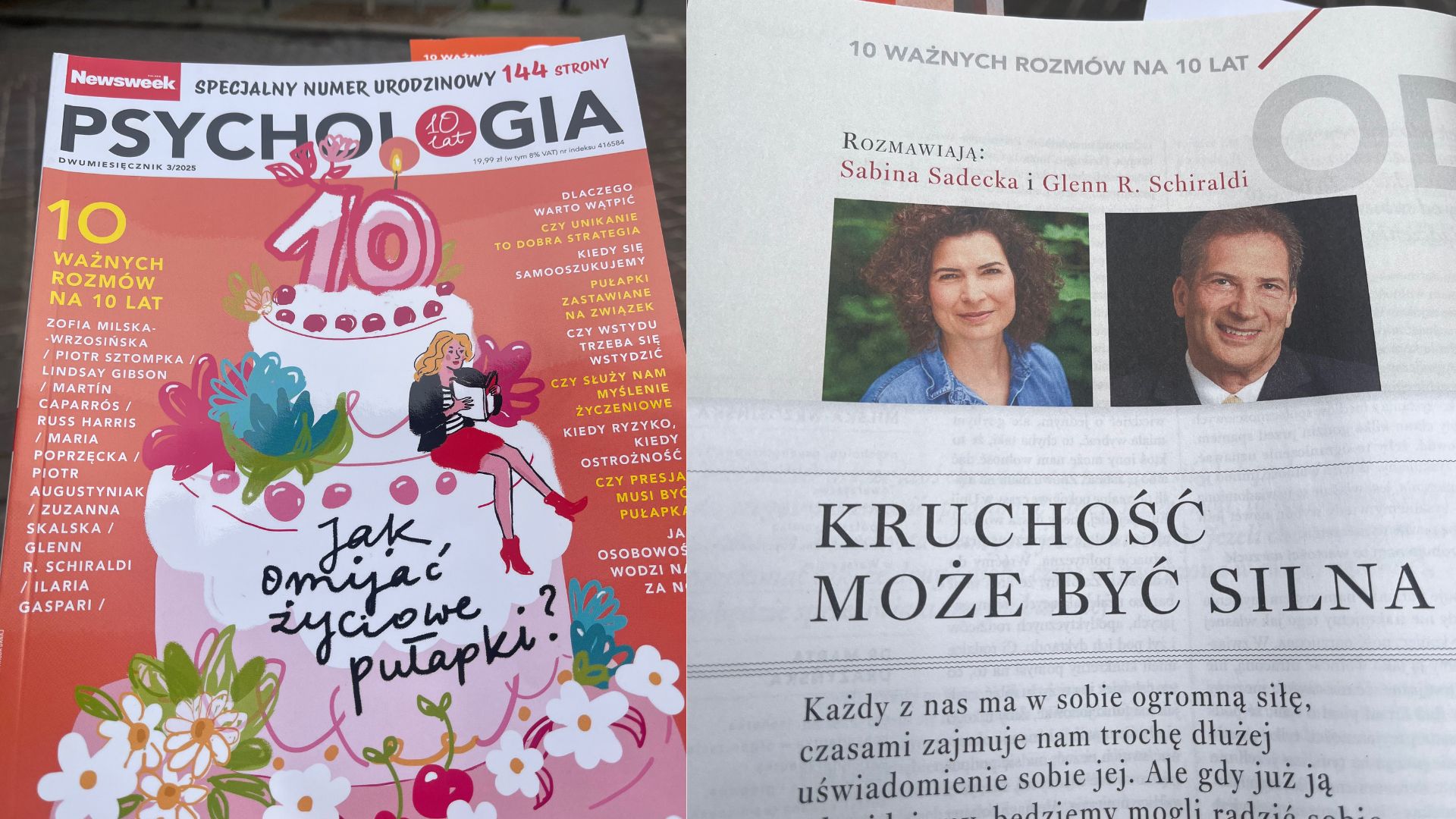
On growing up that hides in secrets and on trauma that demands silence. On the constructive and destructive role of silence. On the way taboo subjects pass down through generations. On openness and healing. My new piece in the latest “Newsweek: Psychologia Nastolatka.”
“One type of such destructive secrets is the kind that has trailed after a family for generations. These are matters that have gone unspoken in the family for decades, in the hope that this will make them dissolve into historical oblivion. ‘In this family we don’t bring up the Second World War,’ ‘we never ask how Mom’s sister died,’ ‘we don’t look too closely at where the money comes from for a lifestyle so far beyond our means’ — these are unspoken rules that entire generations may live by. Children and teenagers, although they have no official knowledge of the old secrets, may nevertheless experience them on a level that is beyond the intellect and unconscious. For families ‘give away’ secrets that have never been spoken through nonverbal signals, taboo subjects, exaggerations, things forgotten, rituals, fears, embarrassments, and an incomprehensible, out-of-proportion sense of guilt. And what cannot be told openly becomes a family rule of behavior, which teenagers carry on into the generations that follow”
“We heal from our crises and traumas only thanks to the good relationships that surround us. Keeping these troublesome matters secret only makes things worse and cuts us off from the relational resources that could help us digest difficult events. Teenagers, however, may have a difficulty trusting others that is natural at this stage, deepened by shame, guilt, fear of disappointing someone, and rage at themselves for having let certain situations happen (even if those things did not happen to us through any fault of our own). So they keep their secrets — which so badly need understanding and light — in the deep recesses of their psyche, experiencing a suffering that cuts them off from others and from themselves.”
(excerpts from the text).